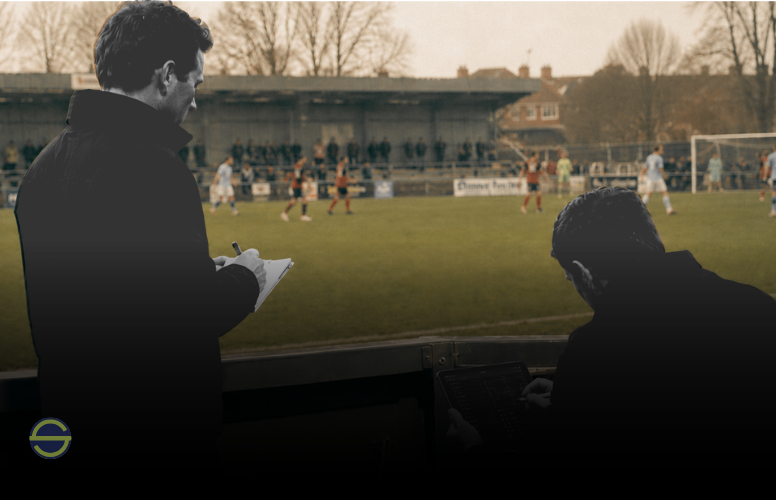
Football Career Guide: How to Build a Professional Career in Football
A career in football is not limited to what happens on the pitch. This practical guide explores the professional roles behind the modern game — from coaching and scouting to analytics, medical performance, operations and communications — helping aspiring football professionals understand where they fit and how to build a clearer path into the industry.
Football Career Guide: Building a Career Beyond the Pitch
When people think about working in football, the first image that often comes to mind is the player on the pitch. The goal, the crowd, the pressure, the shirt, the spotlight.
But modern football is much bigger than the 90 minutes we see on matchday.
Behind every match, every transfer, every academy breakthrough and every tactical decision, there is a network of professionals shaping the game from the inside. Coaches, scouts, analysts, medical teams, operations staff, marketers, academy leaders and recruitment specialists all play a part in how clubs function.
Football is no longer only a game played by eleven players. It is a global professional ecosystem.
For anyone who loves the game but is not pursuing a playing career, that matters. Because the football industry now offers more career routes than ever before — if you know where to look, how to prepare, and where your strengths fit.
There Is More to Football Than Playing
Professional clubs today operate like high-performance organizations. Every department has a role, every decision carries weight, and every specialist contributes to the wider football operation.
A club does not only need players and coaches. It also needs people who can identify talent, analyse performance, manage logistics, protect player health, build commercial value, communicate with supporters and develop long-term strategy.
That is why football careers are becoming more diverse.
Some people enter the industry through coaching. Others through scouting, data, sports science, media, operations or business management. The key is understanding that “working in football” is not one career path. It is many different pathways connected by the same environment.
The Main Career Pathways in Football
Most football industry careers fall into a few major areas:
Technical and Coaching
Recruitment and Talent Identification
Data and Performance Analysis
Medical and Physical Performance
Business, Operations and Communications
Each pathway requires different strengths.
If you are tactically minded and enjoy leadership, coaching may be the right direction. If you are analytical and detail-focused, performance analysis or football data could be a stronger fit. If you understand people, markets and communication, recruitment or marketing may suit you better.
The important thing is not simply wanting to be “in football.”
The important thing is knowing where you can add value.
Why Specialisation Matters
Passion is important in football, but passion alone is not enough.
Clubs hire people for specific skills. They need coaches who can develop players, scouts who can evaluate talent, analysts who can translate data into insight, physiotherapists who can manage recovery, and operations professionals who can keep complex schedules running smoothly.
That is why specialisation matters.
A future scout should learn how to write structured reports, assess players objectively and understand recruitment platforms. A performance analyst should build confidence with video analysis tools and tactical breakdowns. A data analyst should develop technical skills in statistics, programming and football-specific interpretation.
The clearer your direction, the easier it becomes to build the right qualifications, experience and professional profile.
In a competitive industry, clarity is an advantage.
Technical and Coaching Careers
Coaching remains one of the most respected career routes in football. But modern coaching is far more than running training sessions.
Today’s coaches need to understand tactical structures, player development, video analysis, communication, psychology and performance data. Career progression is usually built through formal licensing, practical experience and continuous learning.
Many coaches start in grassroots football, academies or semi-professional environments before moving toward higher levels. The journey can be long, but it gives coaches the chance to build credibility, confidence and a clear football identity.
Academy leadership is another important route. Academy Directors are responsible for youth development strategy, coaching standards, player progression and long-term club sustainability. This role requires technical knowledge, leadership and a deep understanding of how young players develop over time.
Recruitment and Talent Identification
Scouting has changed dramatically in modern football.
The traditional eye for talent still matters, but recruitment is now more structured, more data-informed and more collaborative. Scouts are expected to assess players within a club’s tactical identity, compare profiles, understand markets and produce clear, objective reports.
Many scouting careers begin part-time. Some start through local football, academy observation, independent reports or recruitment courses. Over time, strong evaluators can progress into more advanced roles, including recruitment analyst, regional scout or Head of Recruitment.
At senior level, recruitment becomes strategic. It is no longer only about finding good players. It is about squad planning, budget awareness, market timing, player profiling and long-term sporting direction.
Data and Performance Analysis
Data and analysis have become central to modern football.
Football Data Analysts help clubs make better decisions by interpreting performance, recruitment and squad data. They may support player comparison, recruitment strategy, performance benchmarking or long-term planning.
This career path often requires strong technical ability. Skills in statistics, Python, R, SQL, data visualization and football analytics can be valuable. A public portfolio of football-related projects can also make a major difference when trying to enter the industry.
Performance Analysts work more closely with match footage and tactical detail. They code matches, identify patterns, prepare opposition reports and support coaching staff with visual insights.
Both roles require more than technical knowledge. They require the ability to understand football context and communicate clearly with decision-makers.
Medical and Physical Performance Careers
Player availability is one of the most important factors in football performance. That makes medical and physical performance roles essential inside professional clubs.
Sports Physiotherapists manage injury prevention, treatment and rehabilitation. Strength and Conditioning Coaches design physical programmes, monitor workload and help players meet the demands of competition.
These roles usually require formal qualifications, accreditation and practical experience with athletes. In professional environments, medical standards are strict, and credibility depends on both education and applied expertise.
For people with a background in physiotherapy, sports science, exercise physiology or athletic development, football can offer a highly specialized and meaningful career route.
Business, Operations and Communications
Not every football career is technical.
Clubs also need people who can manage operations, logistics, events, media, marketing, partnerships and administration. These roles may not always receive public attention, but they are essential to how clubs function every day.
Football Operations Managers coordinate travel, scheduling, compliance and internal processes. Marketing and Communications Managers shape how clubs connect with supporters, sponsors and global audiences.
As football becomes more commercial and international, these business-side roles are becoming increasingly important.
For people with backgrounds in business, communication, marketing, logistics or sports management, football can be a natural extension of existing skills.
How to Break Into the Football Industry
Breaking into football is rarely easy, but it is possible with the right approach.
Most careers do not begin at elite clubs. Many people start through grassroots environments, semi-professional teams, internships, academy roles, volunteer positions or matchday support work.
These early roles may not be glamorous, but they build something valuable: real football experience.
They help you understand how clubs operate, how departments communicate, how decisions are made and what professional standards look like from the inside.
The first step is usually not about status. It is about exposure.
Build Evidence of Your Ability
Qualifications matter, but football also values proof.
If you want to work in scouting, write reports. If you want to work in analysis, create sample projects. If you want to coach, document your sessions. If you want to work in operations, gain experience in coordination, event planning or club environments.
A strong football CV should show:
Relevant experience
Clear specialisation
Tools and platforms you can use
Certifications or licenses
Practical examples of your work
A professional understanding of the football environment
Clubs and recruiters often look for evidence that you can already operate with structure, reliability and purpose.
Build Relationships the Right Way
Football is a relationship-driven industry.
That does not mean aggressively asking people for jobs. It means building trust over time. Attend courses, join professional communities, engage thoughtfully on LinkedIn, ask informed questions and show consistent interest in your chosen area.
Many opportunities come through visibility and reputation before they appear publicly.
The more focused your profile is, the easier it becomes for people to understand where you fit.
A Practical Mindset for Your Football Career
If you want to build a long-term career in football, think beyond the first opportunity.
Think about the type of professional you want to become.
Stay focused, keep learning, build your reputation carefully and remain open to starting small. Football careers often grow step by step. A volunteer role can lead to a part-time position. A part-time role can lead to a department opportunity. A strong project can open the door to a conversation.
Progress in football is not always fast, but it rewards consistency.
Start Moving Toward the Game
Your career in football will not begin by accident.
It begins when you decide where you fit, start building relevant skills and make yourself visible to the right people.
Whether your path is coaching, scouting, analysis, performance, operations or communications, there is room in football for people who are prepared, focused and serious about contributing to the game.
The pitch may be the centre of attention.
But football is built by far more than the players on it.